
Update, October 2026: The screenshots below are from Windows 10. On Windows 11 the steps are the same, but the page is called Settings › Accounts › Other users, and the button is Add account.
If you use a laptop or PC for work or personal use, the account you normally log in with should not have Administrator rights. In other words, your user account should not be able to install or update any software on your machine. Why?
Most antivirus and anti-malware programs work off the fingerprints, and sometimes the behaviors, of known viruses and malware. So if I download a file which has a fingerprint of a virus, my antivirus program will either block it or warn me. But there's a thing called zero-day vulnerabilities. These are security holes in the software installed on your laptop that only the bad guys know about. Your antivirus program may not be able to protect you from these. So if you download or receive a Word doc or a PDF file with a virus or ransomware in it, and open it, it's all over.
The virus or malware has all the permissions it needs to do the damage through your user account, which has Administrator permissions on your machine. It doesn't need additional permissions to run. And you won't even know what happened until it's too late.
How to solve it? Your account should be a Standard user or a non-Administrator user account. Then create a second account just to install software, run updates, and make system configuration changes.
The steps here cover Windows.
- Click the Windows icon and click Settings:
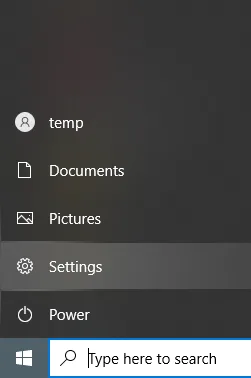
Windows Setting
- Click on Accounts:
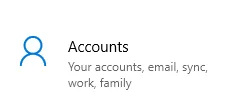
Windows Accounts
- If "Your info" does not say Administrator, you can skip these steps and just proceed to the User Account Setting section:
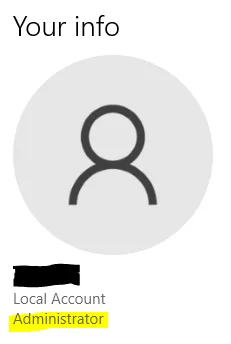
Windows Your info
-
Before you change your Account Type from Administrator you need to create another Administrator account.
-
In the left menu, click on Family & other users:
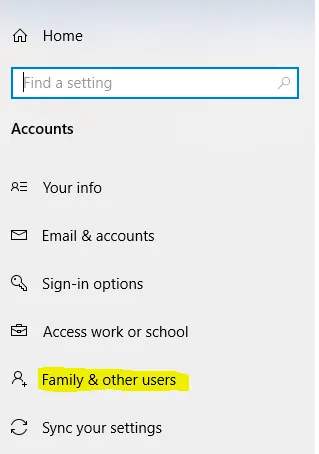
Windows Family & other users
- Click on Add someone else to this PC:
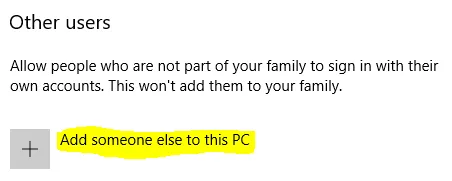
Windows Other users
-
I am creating a local account here. You can add or create a Microsoft account if you want to, but make sure it has two-factor authentication enforced: not just a username and password, but also an approval or code from an authenticator app on your phone.
-
Click on I don't have the person's sign-in information:
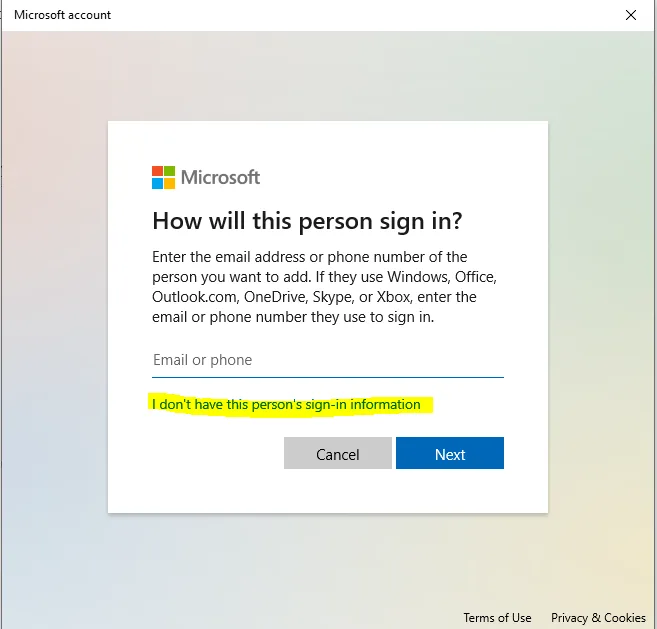
Windows Add User Person Sign-In Information
- On the next screen, select Add a user without a Microsoft account:
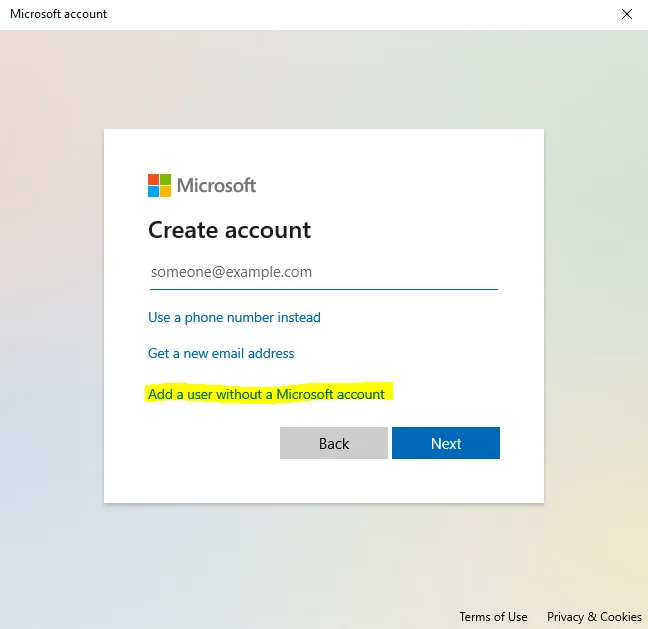
Windows Add User Person Create account
- Provide a username and a strong password that you can remember.
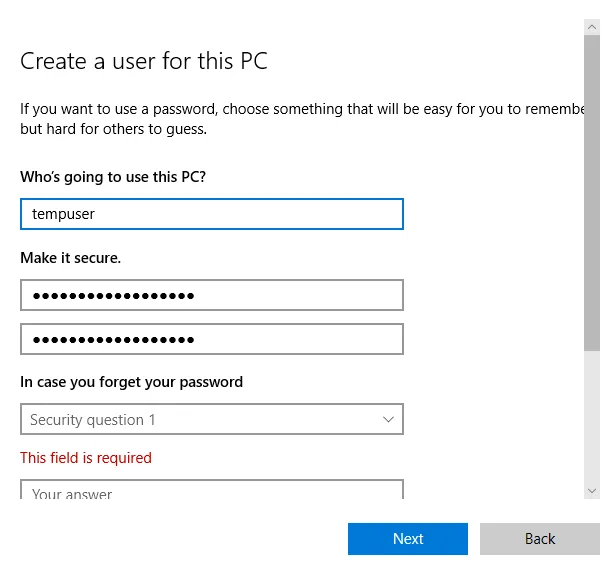
Windows Create a user for this PC
A local account does not have two-factor authentication, so make sure only you know its password.
Security questions and answers are required here. Use answers that cannot be easily guessed.
-
If you see a prompt from User OOBE Created Elevated Object Server asking you to confirm these changes, click on Yes.
-
Your new user should now be created, but the account type is Standard by default. Click on Change account type:
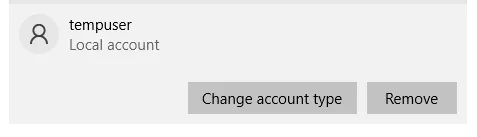
Windows Local Account
- From the Account Type drop-down, select Administrator and click OK:
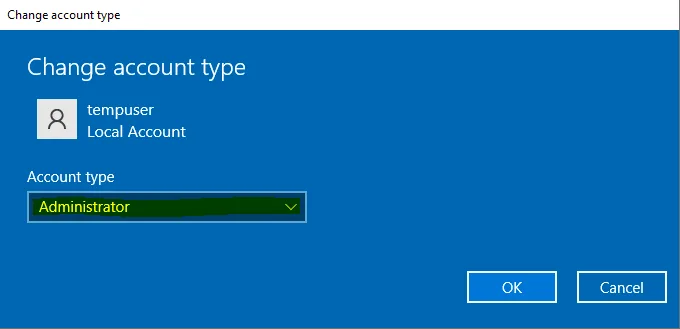
Windows Change Account Type
- Your new local account should now be an Administrator:
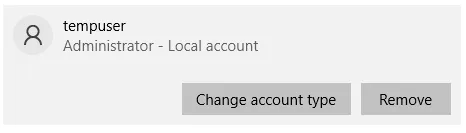
Windows Local Administrator Account
-
Now click Change account type for your existing account, and change its type from Administrator to Standard.
-
Click OK. You are done. It may be a good idea to sign out and sign back in for these changes to take effect.
Going forward, use this second local Administrator account to install new software, run update checks, or make any system changes.
Alternatively, log in as the local Administrator account, temporarily give your everyday account Administrator rights, and change it back to Standard when you're done.
Change User Account Control Settings
It's a good idea to always be prompted for any system changes being done by Windows and/or any applications installed on your PC.
To set this, go back to the Windows Settings page, type Change User in the search bar, and select Change User Account Control Settings:
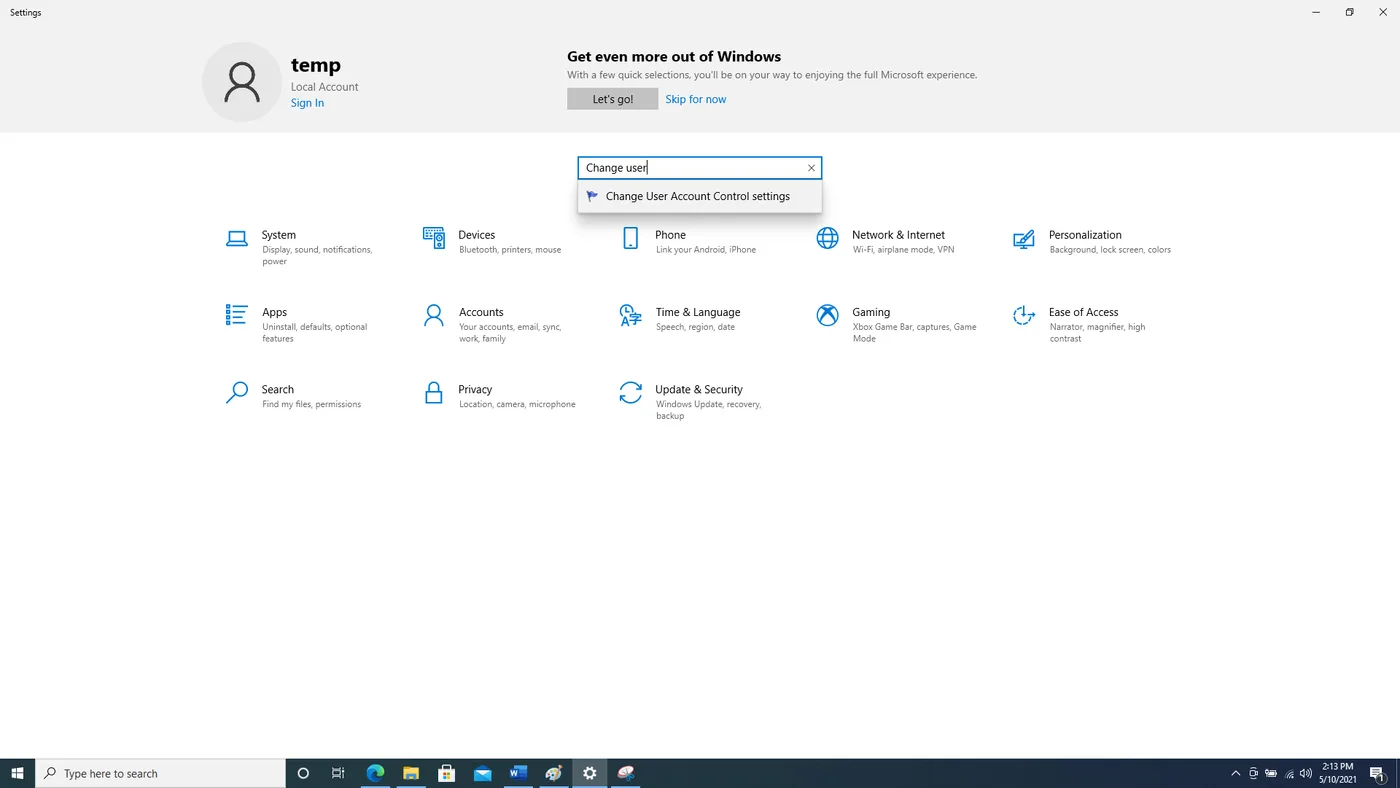
Windows Settings Search
Drag the lever to the top to Always:
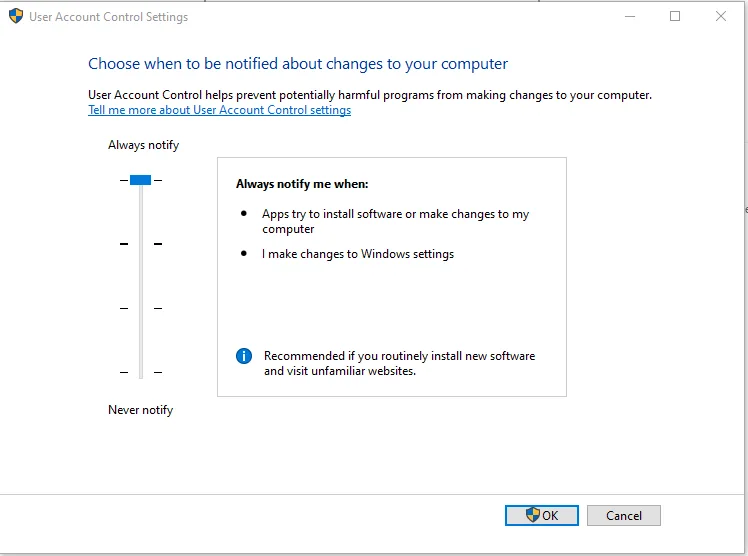
Windows User Account Control Settings
Click OK.
Conclusion
I have never used a Mac, but the principle holds there too. Likewise, on Linux, do not use the root account for daily work or personal use, and make sure every sudo command prompts for a password.
Stay Cybersafe My Friends.